Publications

My research is at the intersection of multimodal learning, large language models, and biomedical AI.
I build interpretable multimodal mixture-of-experts (MoE) systems, study the statistical foundations of large language models, and apply machine learning to drug discovery and healthcare.

Quick Navigation

Multimodal Representation & MoE

* denotes equal contribution

I2MoE thumbnail

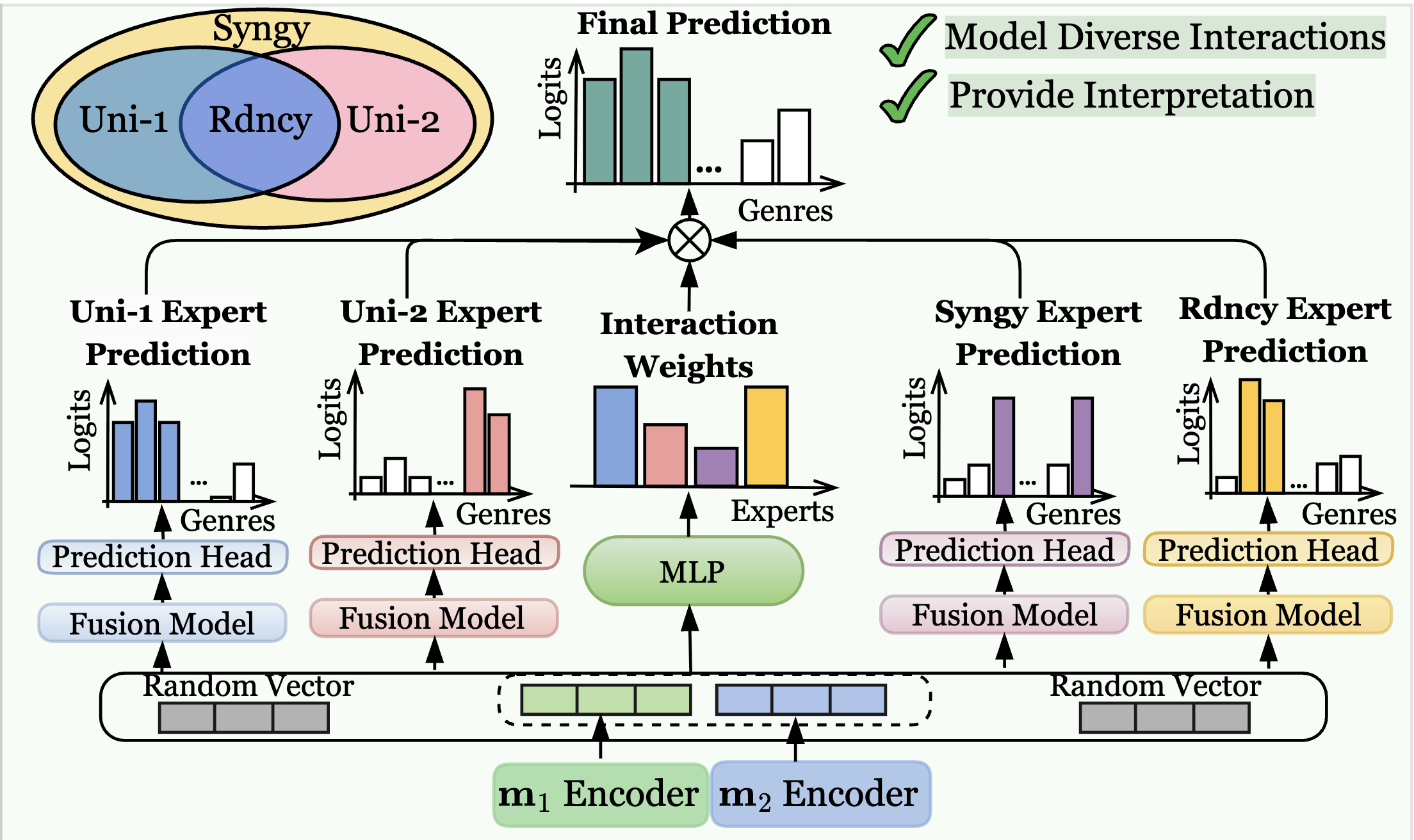
I2MoE: Interpretable Multimodal Interaction-Aware Mixture-of-Experts

Xin, J., Yun, S., Peng, J., Choi, I., Ballard, J. L., Chen, T., Long, Q.

ICML 2025

We introduce a drop-in MoE framework that disentangles redundancy, synergy, and uniqueness interactions between different modalities, achieving superior multimodal fusion performance while exposing interaction weights for user interpretation.
Generate, Then Retrieve thumbnail

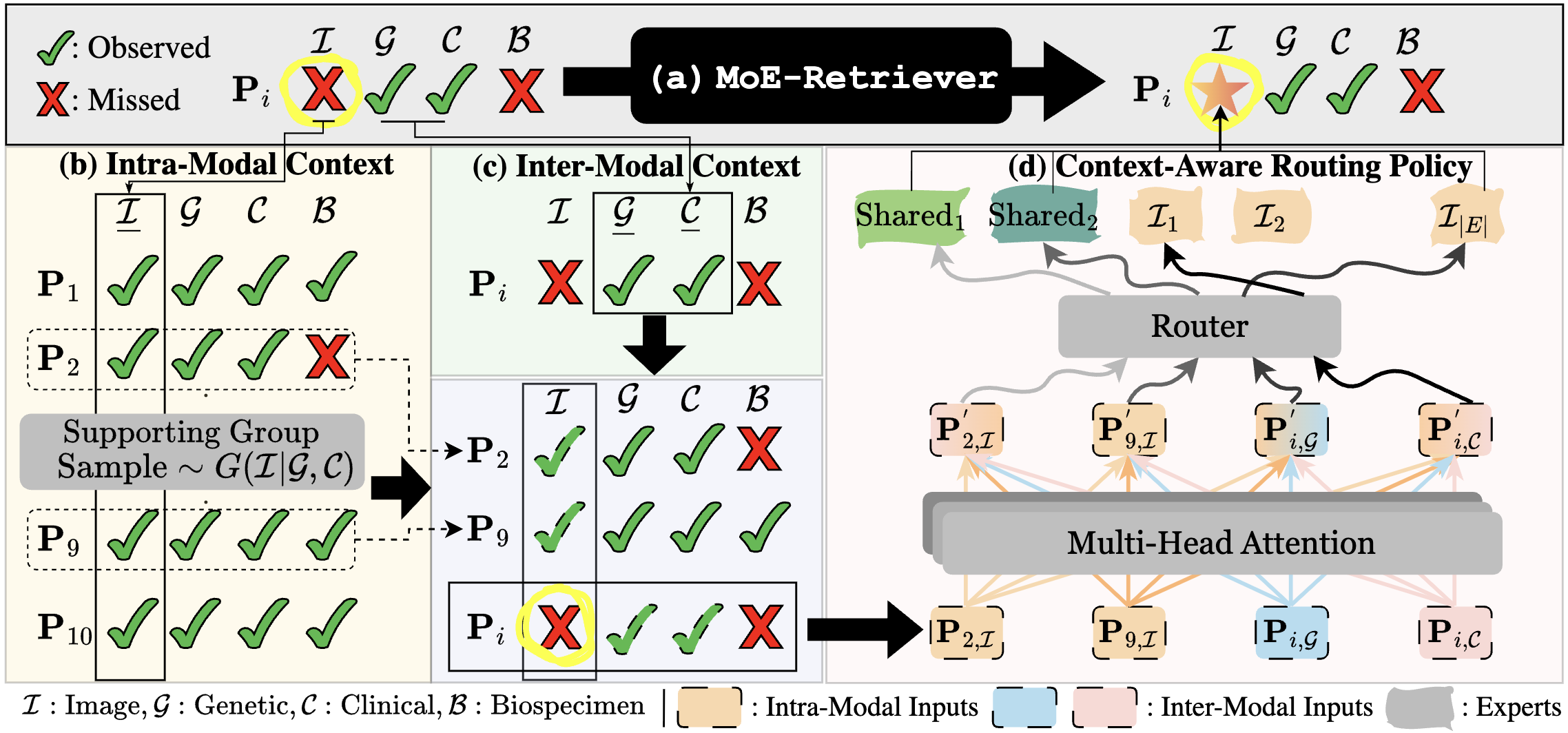
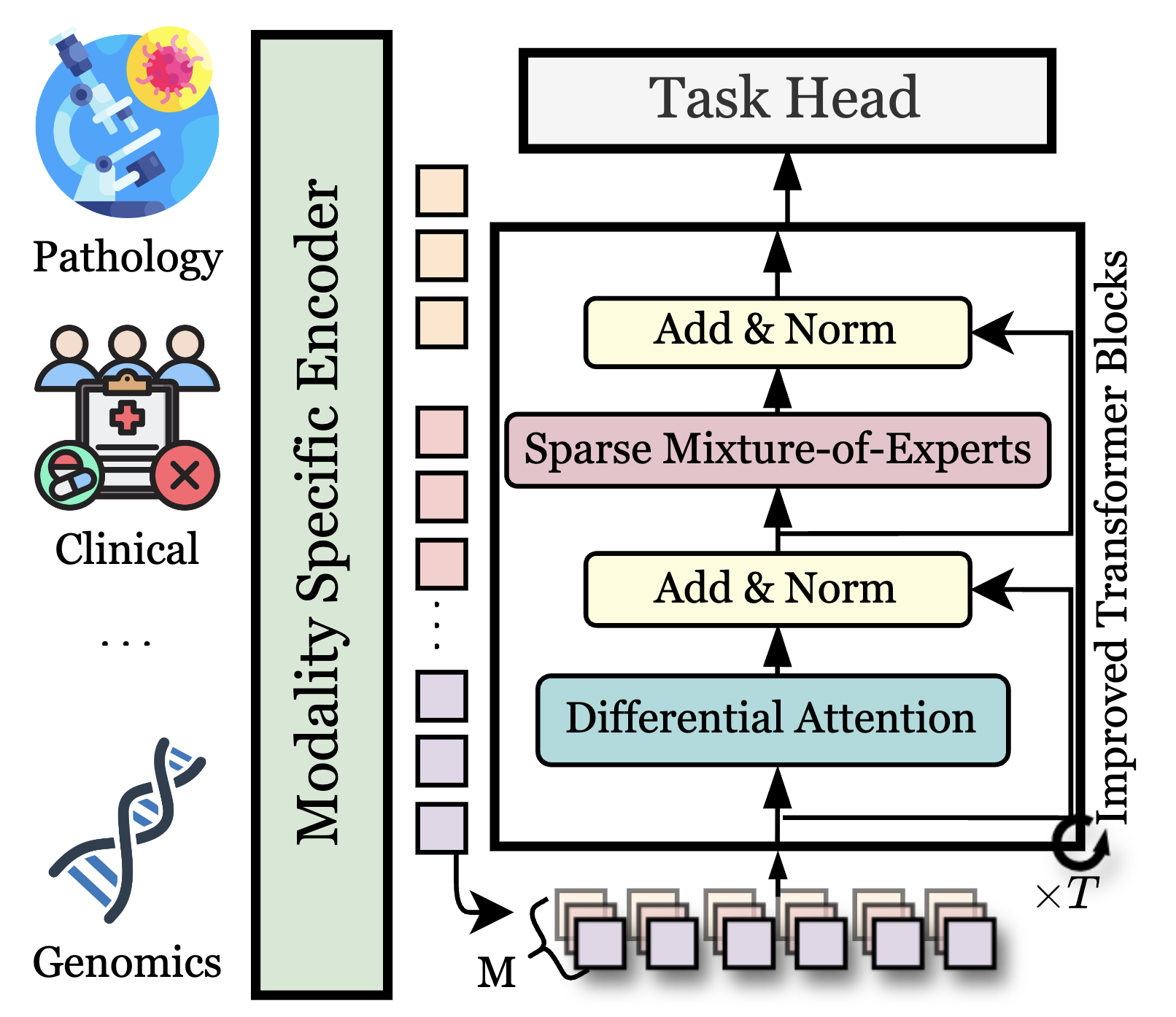
Generate, Then Retrieve: Addressing Missing Modalities in Multimodal Learning via Generative AI and MoE

Yun, S.*, Xin, J.*, Choi, I., Peng, J., Ding, Y., Long, Q., Chen, T.

AAAI GenAI4Health Workshop 2025 Best Paper

We impute missing modalities with learnable embeddings and route them through a sparse MoE, outperforming strong baselines on real-world multimodal datasets.

Adaptive token balance thumbnail

Modalities Contribute Unequally: Enhancing Medical Multi-modal Learning through Adaptive Modality Token Re-balancing

Peng, J.*, Ballard, J. L*., Zhang, M., Yun, S., Xin, J., Long, Q., Zhang, Y., Chen, T.

ICML 2025

We propose Adaptive Modality Token Re-BalanCing (AMC), a novel top-down dynamic multi-modal fusion approach.

Flex-MoE thumbnail

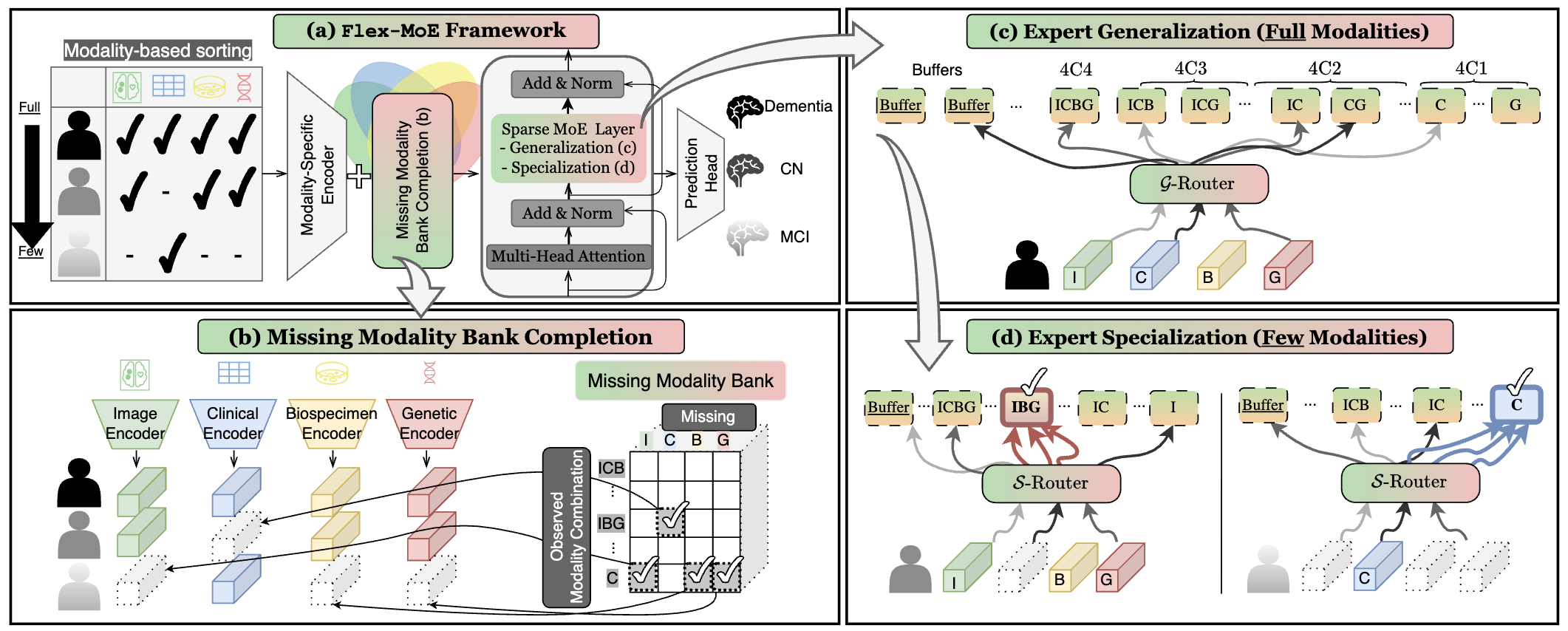
Flex-MoE: Modeling Arbitrary Modality Combinations via the Flexible Mixture-of-Experts

Yun, S., Choi, I., Peng, J., Wu, Y., Bao, J., Zhang, Q., Xin, J., Long, Q., Chen, T.

NeurIPS 2024 Spotlight

We propose Flex-MoE, new MoE framework designed to flexibly incorporate arbitrary modality combinations while maintaining robustness to missing data.

Statistical Foundations of Large Language Models

CurveRL thumbnail

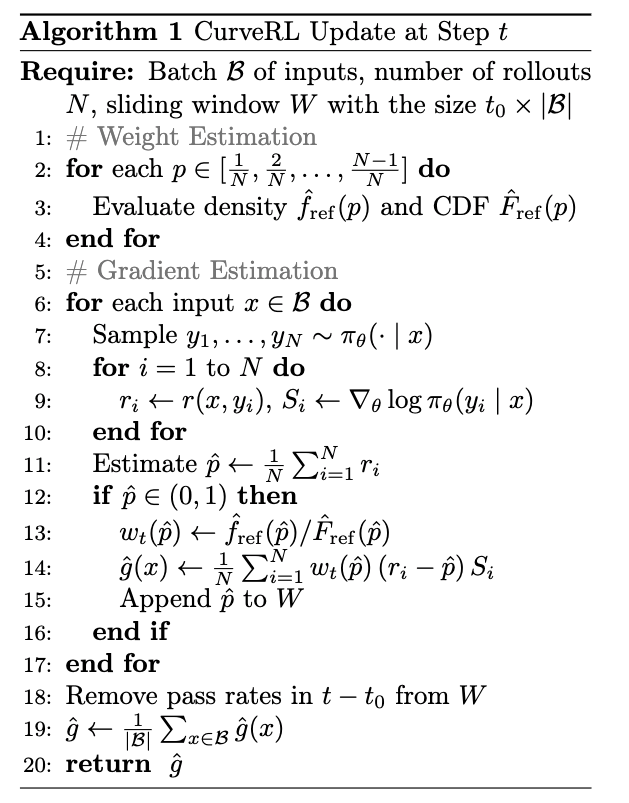
CurveRL: Principled Distribution-Aware Context Reweighting for LLM Reasoning

Sun, K.*, Zhao, Y.*, Xin, J., Long, Q., Su, W.

arXiv 2026

We propose CurveRL, a principled distribution-aware context reweighting method that assigns weights based on rank and density to reflect the distributional structure of pass rates during LLM reasoning training, consistently outperforming existing RLVR baselines.

Bilingual Reasoning thumbnail

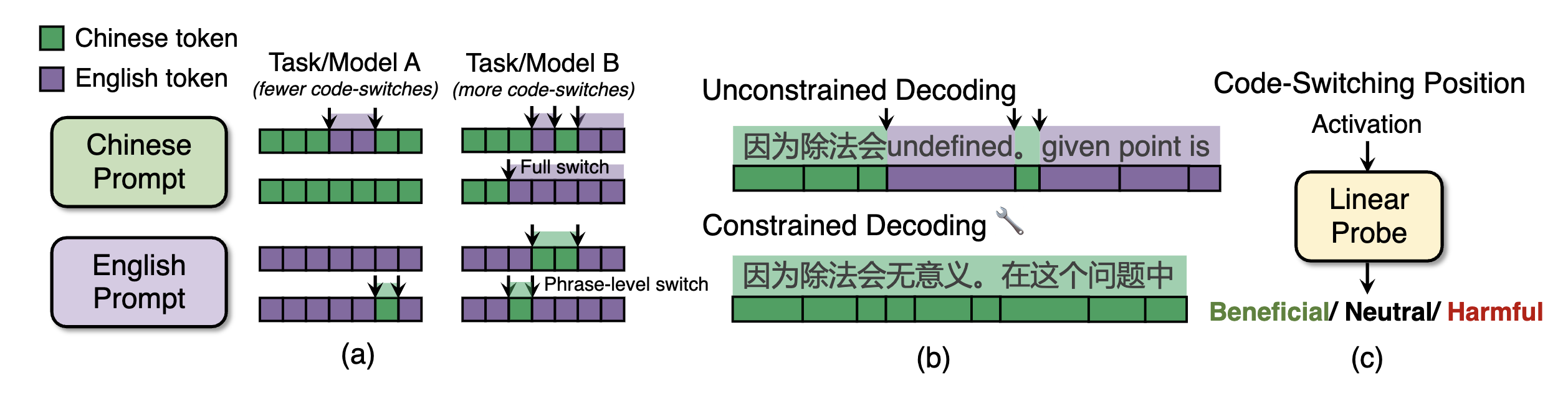
The Impact of Language Mixing on Bilingual LLM Reasoning

Li, Y., Xin, J., Miao, M. M., Long, Q., Ungar, L.

EMNLP 2025 Oral

We study language switching in Chinese-English bilingual reasoning models and trained a lightweight probe to predict whether a potential language switch would benefit or harm reasoning, and when used to guide decoding, increases accuracy by up to 6.25 pp.

LLM theorem capability thumbnail

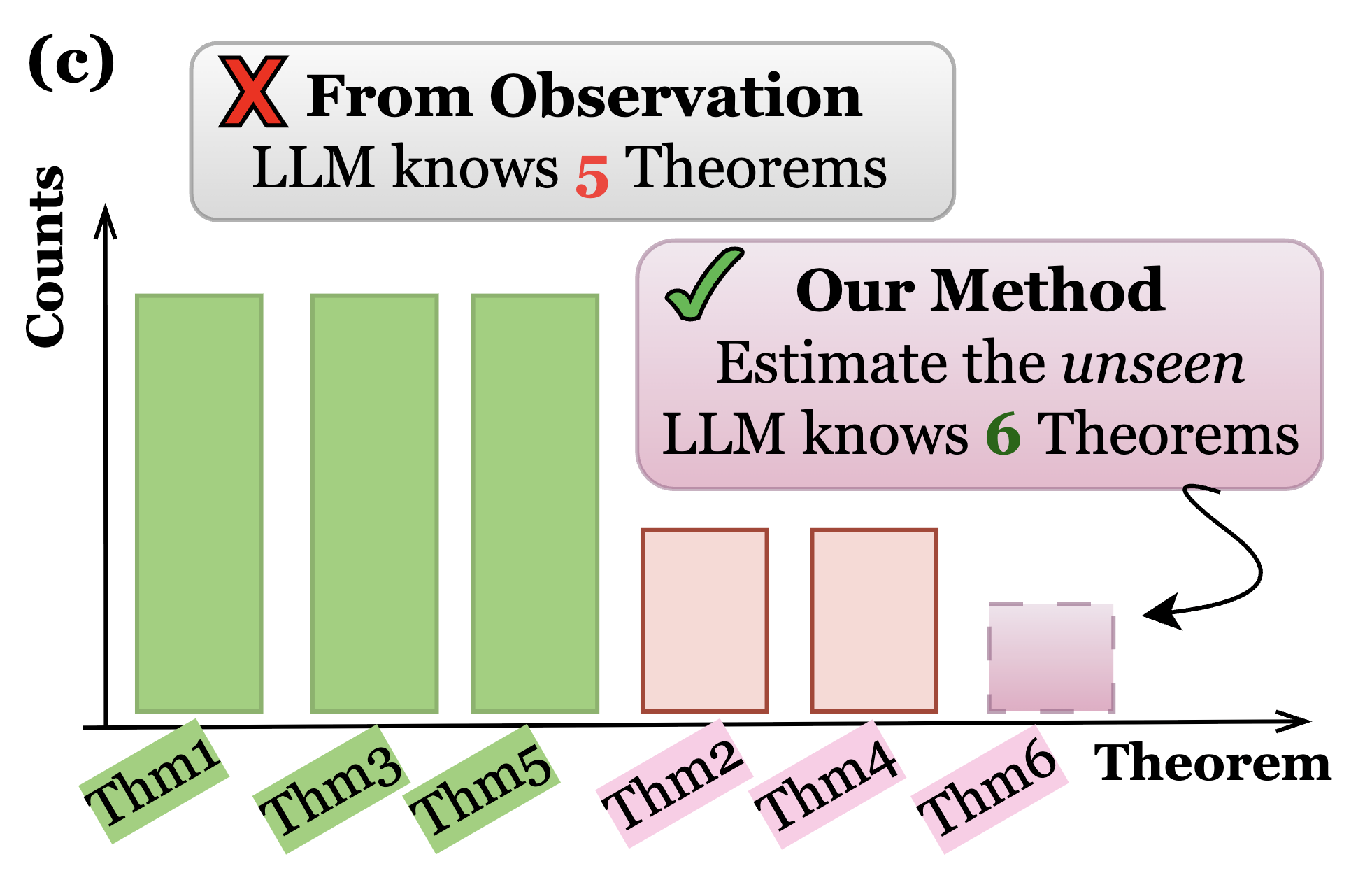
Evaluating the Unseen Capabilities: How Many Theorems Do LLMs Know?

Li, X., Xin, J., Long, Q., Su, W.

Under review 2025

We introduce KnowSum, a statistical framework designed to provide a more comprehensive assessment by quantifying the unseen knowledge for a class of evaluation tasks.

Selective Annotation thumbnail

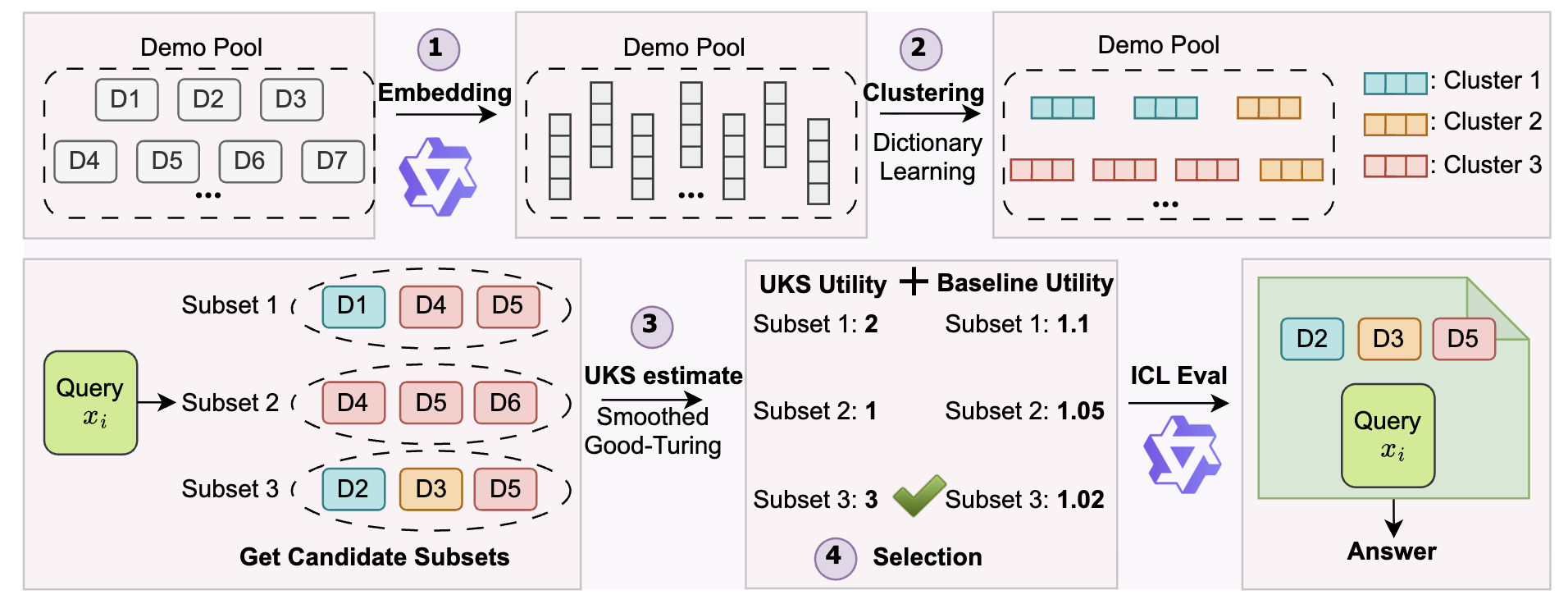
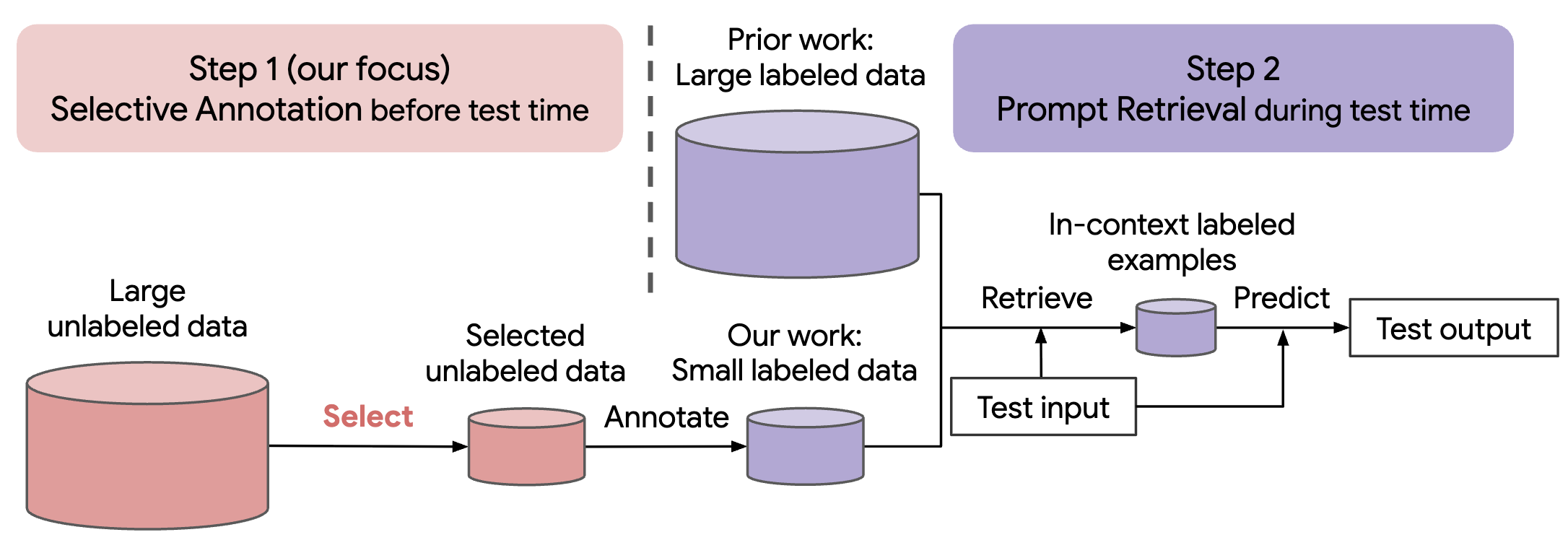
Selective Annotation Makes Language Models Better Few-Shot Learners

Su, H., Kasai, J., Wu, C.-H., Shi, W., Wang, T., Xin, J., Zhang, R., Ostendorf, M., Zettlemoyer, L., Smith, N. A., Yu, T.

ICLR 2023

We formulate an annotation-efficient, two-step framework: selective annotation that chooses a pool of examples to annotate from unlabeled data in advance, followed by prompt retrieval that retrieves task examples from the annotated pool at test time.

Biomedical AI & Computational Biology

CAMEL thumbnail

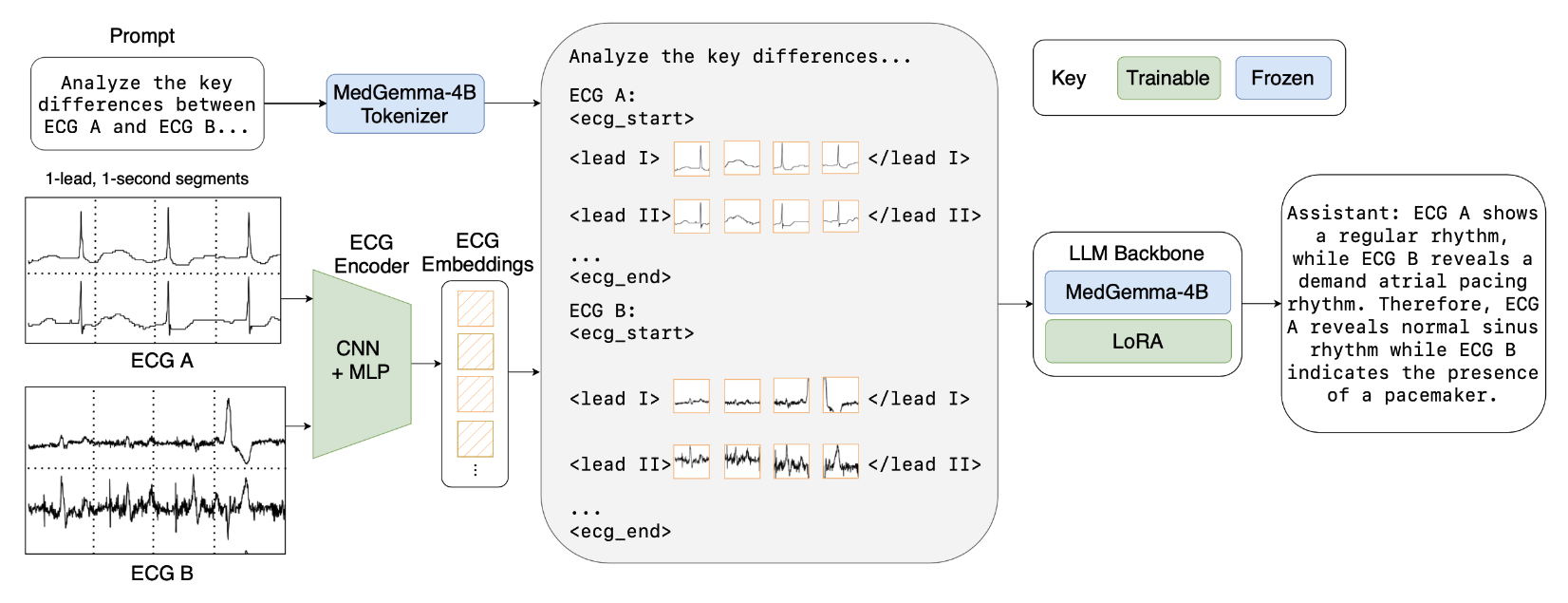
CAMEL: An ECG Language Model for Forecasting Cardiac Events

Velingker, N.*, Solko-Breslin*, A., Keoliya*, M., Choi, S.*, Xin, J., Marathe, A., Oraii, A., Deo, R., Khatana, S., Alur, R., Naik, M., Wong, E.

arXiv 2026

We develop CAMEL, the first ECG language model for forecasting cardiac events via extended signal analysis, combining a specialized ECG encoder with curriculum learning to achieve state-of-the-art results on multiple benchmarks.

Antibody Reformatting thumbnail

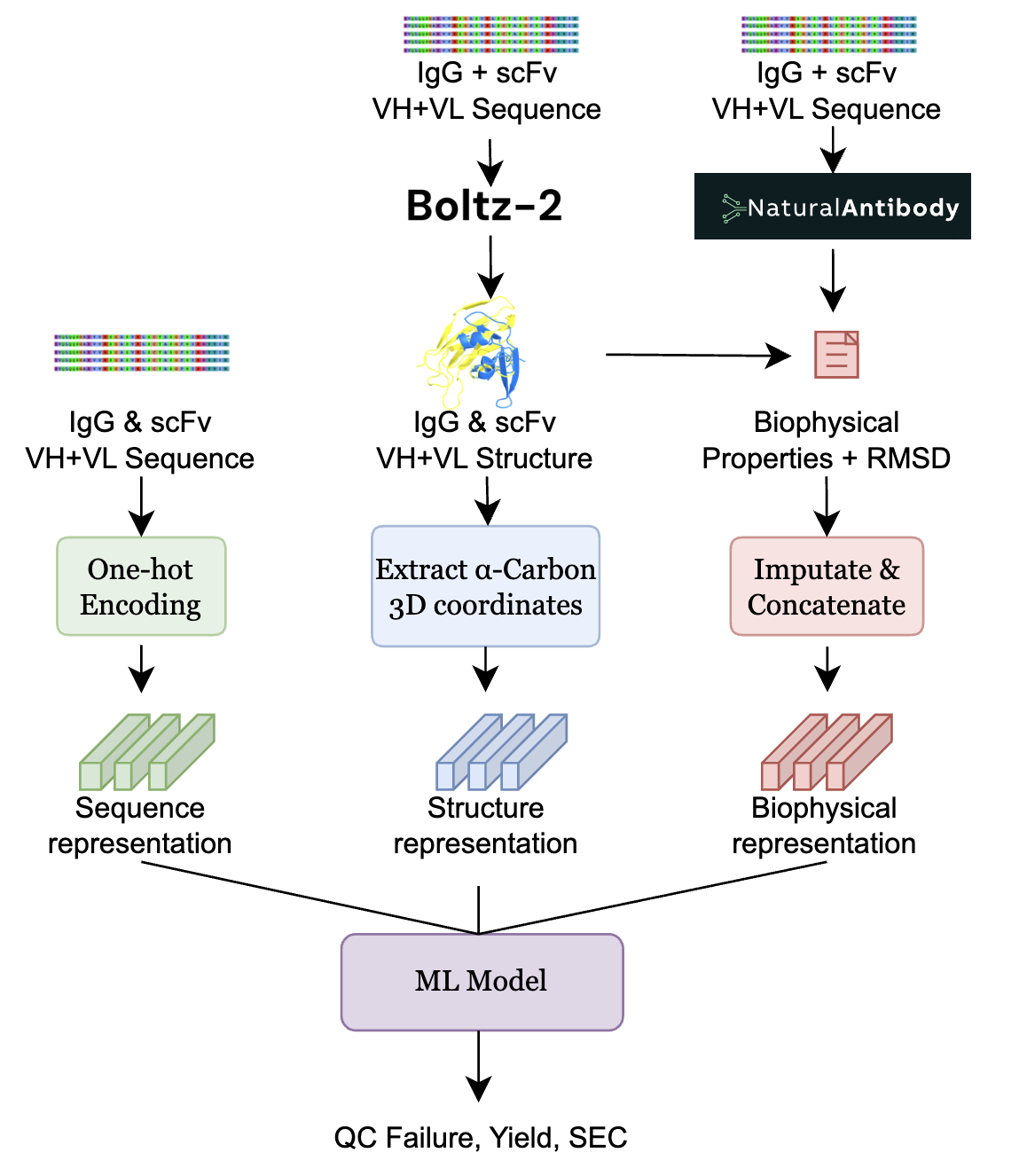
Improved Therapeutic Antibody Reformatting through Multimodal Machine Learning

Xin, J., Raghu, A., Bhattacharya, N., Carr, A., Montgomery, M., Elliott, H.

NeurIPS 2025 AI4Science and FM4LS Workshop

We develop a multimodal machine learning framework to predict antibody reformatting success, which incorporates both antibody sequence and structural context, and outperforms protein language models in an evaluation protocol that reflects realistic deployment scenarios.

TAD-Graph thumbnail

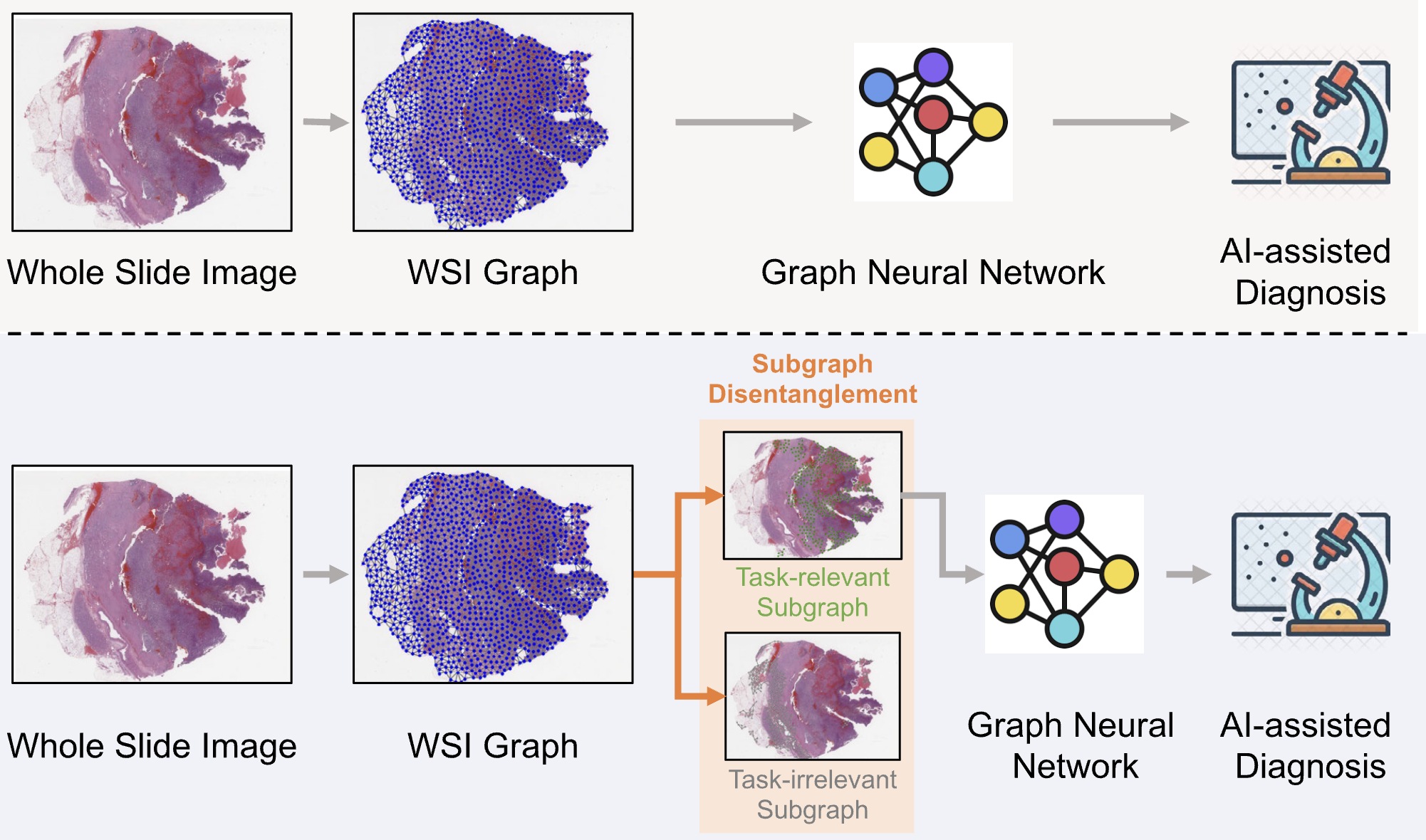
TAD-Graph: Enhancing Whole-Slide Image Analysis via Task-Aware Subgraph Disentanglement

Wang, F., Xin, J., Zhao, W., Jiang, Y., Yeung, M., Wang, L., Yu, L.

IEEE TMI 2025

We propose a novel Task-Aware Disentanglement Graph approach that operates on WSI graph representations, effectively identifying and disentangling informative subgraphs to enhance contextual feature extraction.

Protein RSA thumbnail

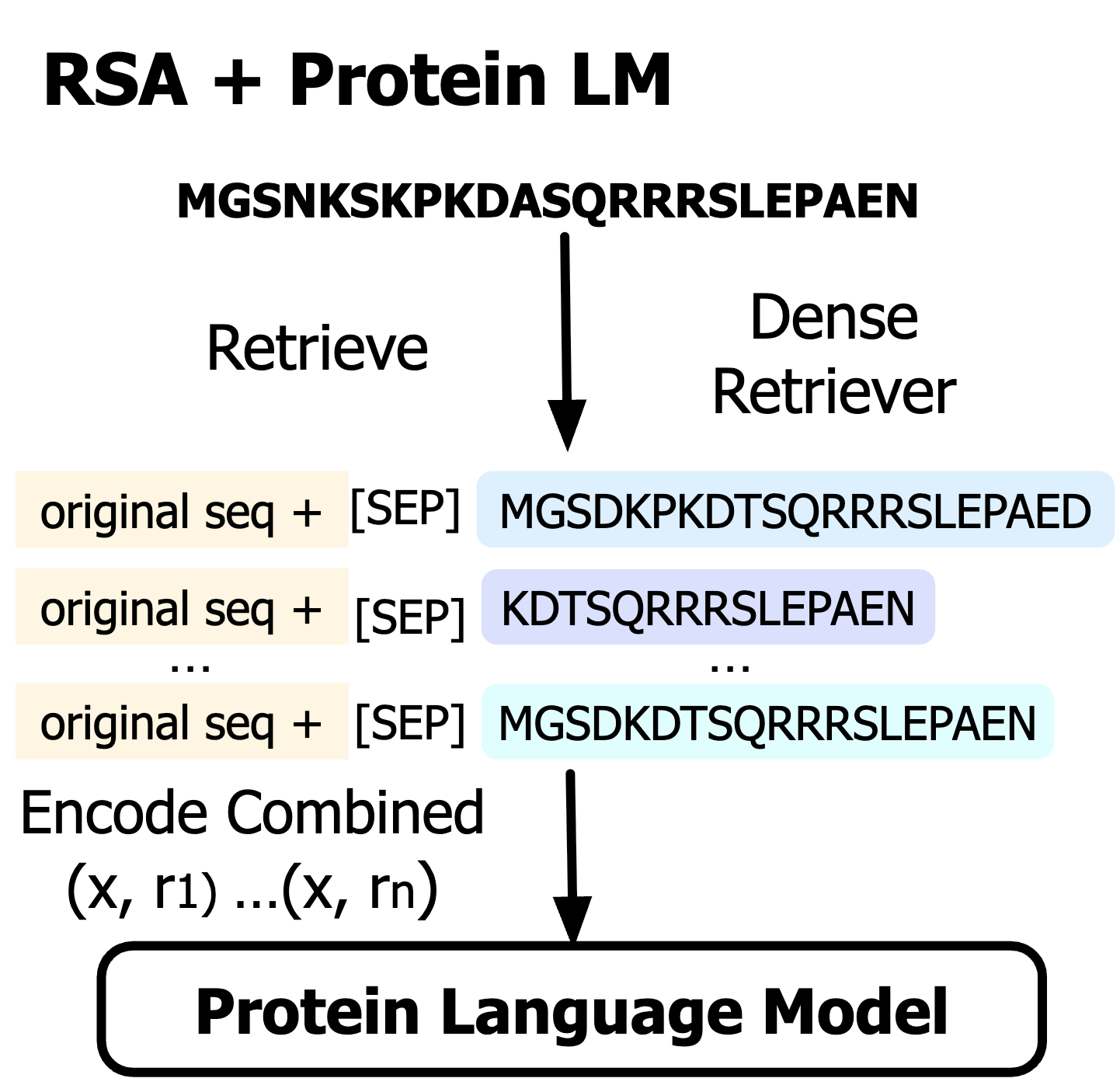
Retrieved Sequence Augmentation for Protein Representation Learning

Ma, C., Zhao, H., Zheng, L., Xin, J., Li, Q., Wu, L., Deng, Z., Lu, Y. Y., Liu, Q., Wang, S., Kong, L.

EMNLP 2024

We show that a simple alternative, Retrieved Sequence Augmentation (RSA), can enhance protein representation learning without the need for alignment and cumbersome preprocessing.

MIST-CF thumbnail

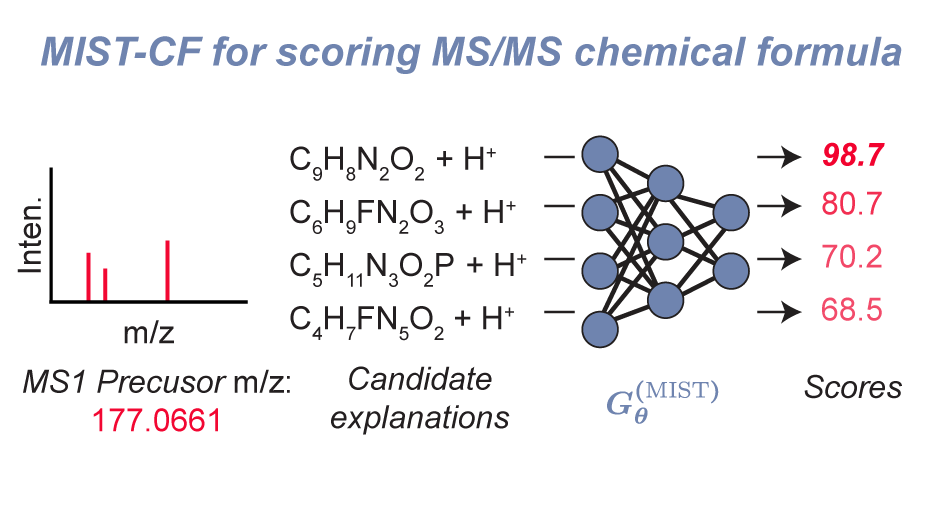
MIST-CF: Chemical Formula Inference from Tandem Mass Spectra

Goldman, S.*, Xin, J.*, Provenzano, J., Coley, C. W.

Journal of Chemical Information and Modeling 2023

We extend previous spectrum Transformer methodology for learning to rank chemical formula and adduct assignments given an unannotated tandem MS spectrum.

Prefix-tree decoding thumbnail

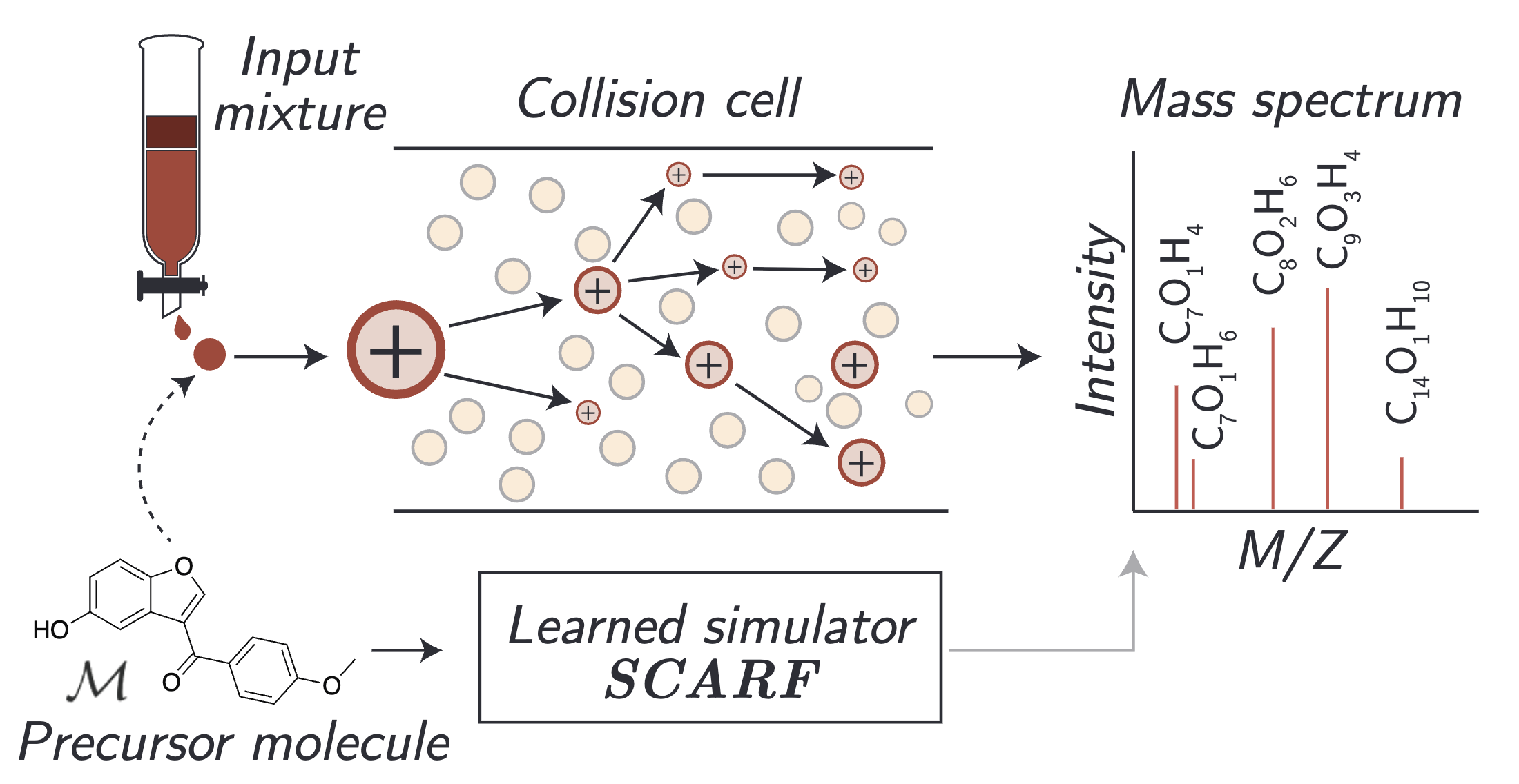
Prefix-Tree Decoding for Predicting Mass Spectra from Molecules

Goldman, S., Bradshaw, J., Xin, J., Coley, C. W.

NeurIPS 2023 Spotlight

We use a new intermediate strategy for predicting mass spectra from molecules by treating mass spectra as sets of molecular formulae, which are themselves multisets of atoms.

Wearable tech chapter thumbnail

Artificial intelligence clinical applications of wearable technologies

Ma, S., Yee, C. Y., Xin, J., Ho, J. W. K.

Book chapter in Machine Learning, Medical AI and Robotics (IOP) 2023

We survey deep learning-based AI applications of wearable devices.